Every year, searches for Indian Independence Day history, why 15 August, and freedom struggle timeline spike across Google. This explainer answers those queries in plain language — useful for students, competitive exams, and readers preparing for Independence Day 2026.
What is Indian Independence Day?
Independence Day is celebrated every year on 15 August as a national holiday marking the end of British colonial rule in 1947. On that day, the Indian Independence Act 1947 came into effect, and legislative sovereignty passed to India’s Constituent Assembly.
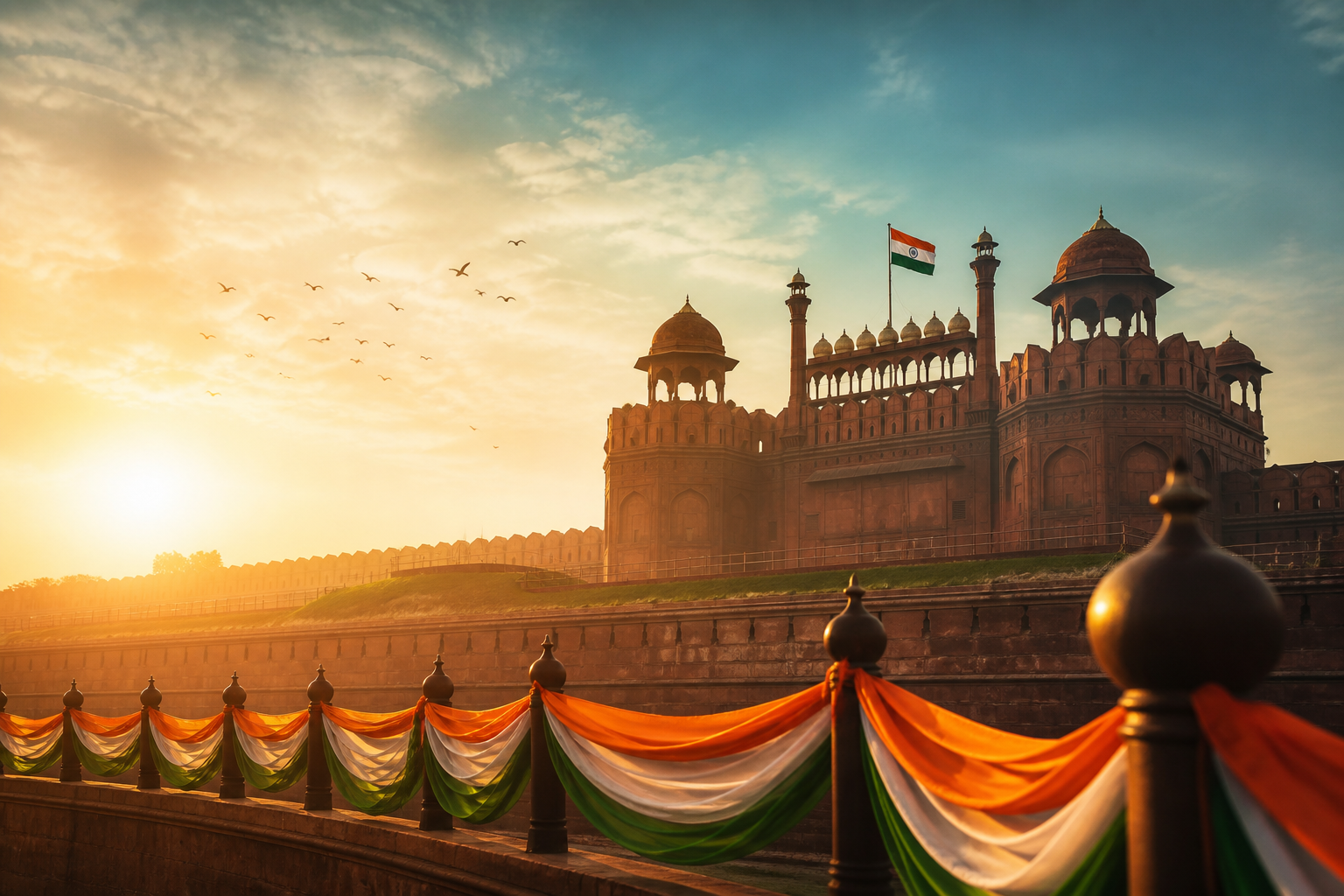
At midnight on 14–15 August 1947, Jawaharlal Nehru delivered the famous “Tryst with Destiny” address. The Red Fort flag-hoisting tradition later became the centrepiece of the national celebration.
Why did the freedom struggle begin?
Colonial rule denied Indians political power and created deep economic strain — high taxes on farmers, decline of local industry, and widespread poverty. Western education also spread modern ideas of rights and self-government. Reformers and early nationalists built public opinion; the Indian National Congress (founded 1885) became a major platform for political demand.
After the 1857 Rebellion, the British Crown took direct control (1858). Over the next decades, civic politics grew. World War I reforms mixed with repression (including the Rowlatt Act) pushed more Indians toward organised resistance.
Key milestones in the Indian freedom struggle
- 1885 — Indian National Congress formed
- 1919–22 — Non-cooperation wave under Gandhi after wartime discontent and repression
- 1930 — Salt March / Civil Disobedience challenges colonial law through mass non-violence
- August 1942 — Quit India Movement demands immediate British withdrawal; leaders jailed, protests spread
- 1946 — Cabinet Mission; Constituent Assembly process begins
- 3 June 1947 — Mountbatten Plan announces partition of British India
- 18 July 1947 — Indian Independence Act receives royal assent
- 15 August 1947 — India becomes independent (Pakistan observes 14 August)
Leaders who shaped independence
Mahatma Gandhi made non-violent mass politics the movement’s moral engine. Jawaharlal Nehru became independent India’s first Prime Minister. Other towering names include Subhas Chandra Bose, Sardar Vallabhbhai Patel, Bhagat Singh, and countless regional organisers. On the Muslim League side, Muhammad Ali Jinnah led the demand that resulted in Pakistan.
Independence was a century-long struggle — won through politics, sacrifice, and mass mobilisation — and completed under the legal force of the Indian Independence Act 1947.
Indian Independence Act 1947 — the legal end of the Raj
The Act of the British Parliament created two independent dominions — India and Pakistan — and transferred power from Britain. It is the legal reason textbooks and search results both answer “when did India get freedom?” with 15 August 1947.
Partition: the painful cost of freedom
Freedom came with Partition. Communal disagreement, wartime exhaustion of Britain, and a rushed transfer of power produced one of history’s largest refugee crises and widespread violence. Understanding Independence Day honestly means remembering both celebration and trauma.
Why this history post helps Google reach
Evergreen history pages rank when they match real search intent: “Independence Day history in English,” “15 August 1947 explained,” “Quit India Movement summary,” and exam FAQs. Publish early before 15 August, keep headings clear, and refresh yearly — that is how history content keeps traffic long after the news cycle ends.
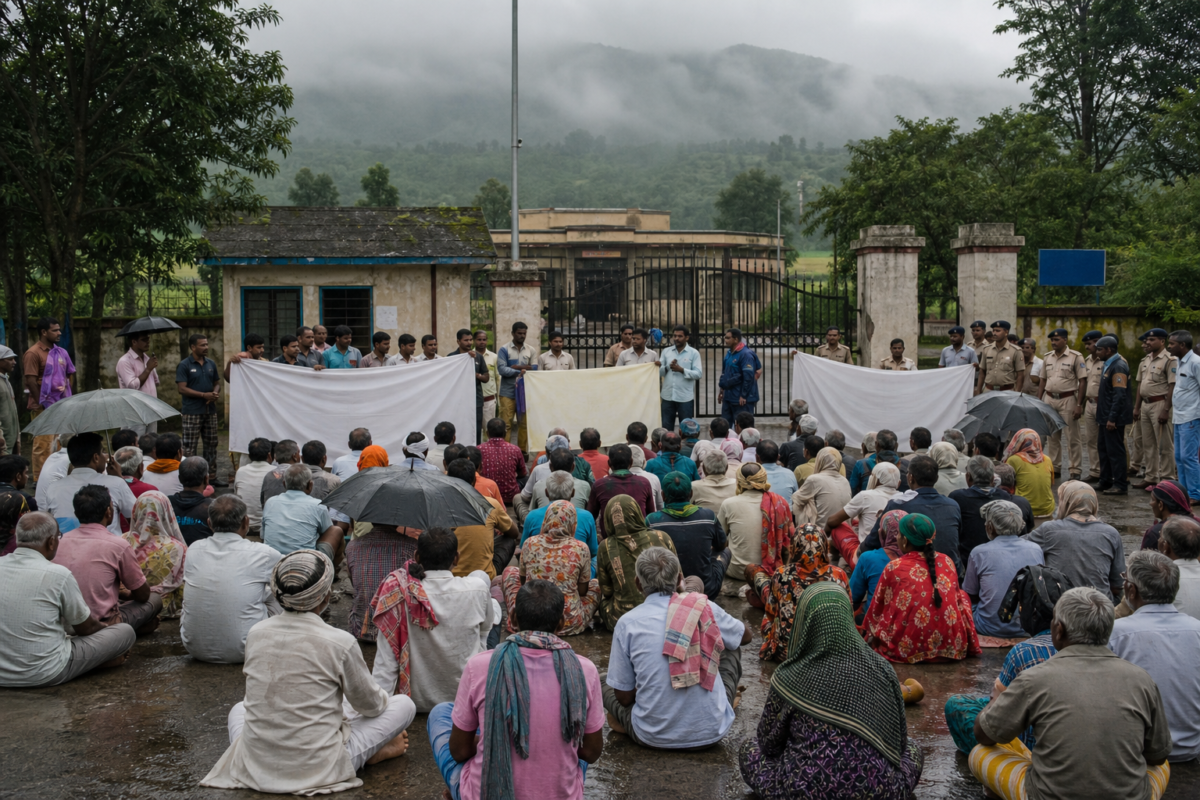
Related reading on civic protest and public memory: our coverage of the Jail Bharo Andolan on Quit India anniversary.
FAQ: Indian Independence Day history
Common Google questions — all answers open below.
Why does India celebrate Independence Day on 15 August?
Because the Indian Independence Act 1947 made India independent with effect from 15 August 1947, ending British rule.
When did India get independence from British rule?
India became independent on 15 August 1947. Pakistan marks Independence Day on 14 August.
Who were the main leaders of the Indian freedom struggle?
Major figures include Mahatma Gandhi, Jawaharlal Nehru, Subhas Chandra Bose, Sardar Patel, Bhagat Singh, and many regional leaders. The Muslim League under Jinnah led the Pakistan demand.
What was the Quit India Movement?
Started in August 1942, it demanded that the British quit India immediately. Leaders were imprisoned and mass protests intensified the push for freedom after World War II.
What is the Indian Independence Act 1947?
A British Parliament law (assent 18 July 1947) that legally created India and Pakistan as independent dominions and transferred sovereignty from Britain.
Why was India partitioned?
Political deadlock between Congress and the Muslim League, the Mountbatten Plan, and Britain’s decision to exit quickly led to Partition — and massive human suffering alongside independence.
Is Independence Day the same as Republic Day?
No. Independence Day (15 August) marks freedom from British rule in 1947. Republic Day (26 January) marks the Constitution coming into force in 1950.