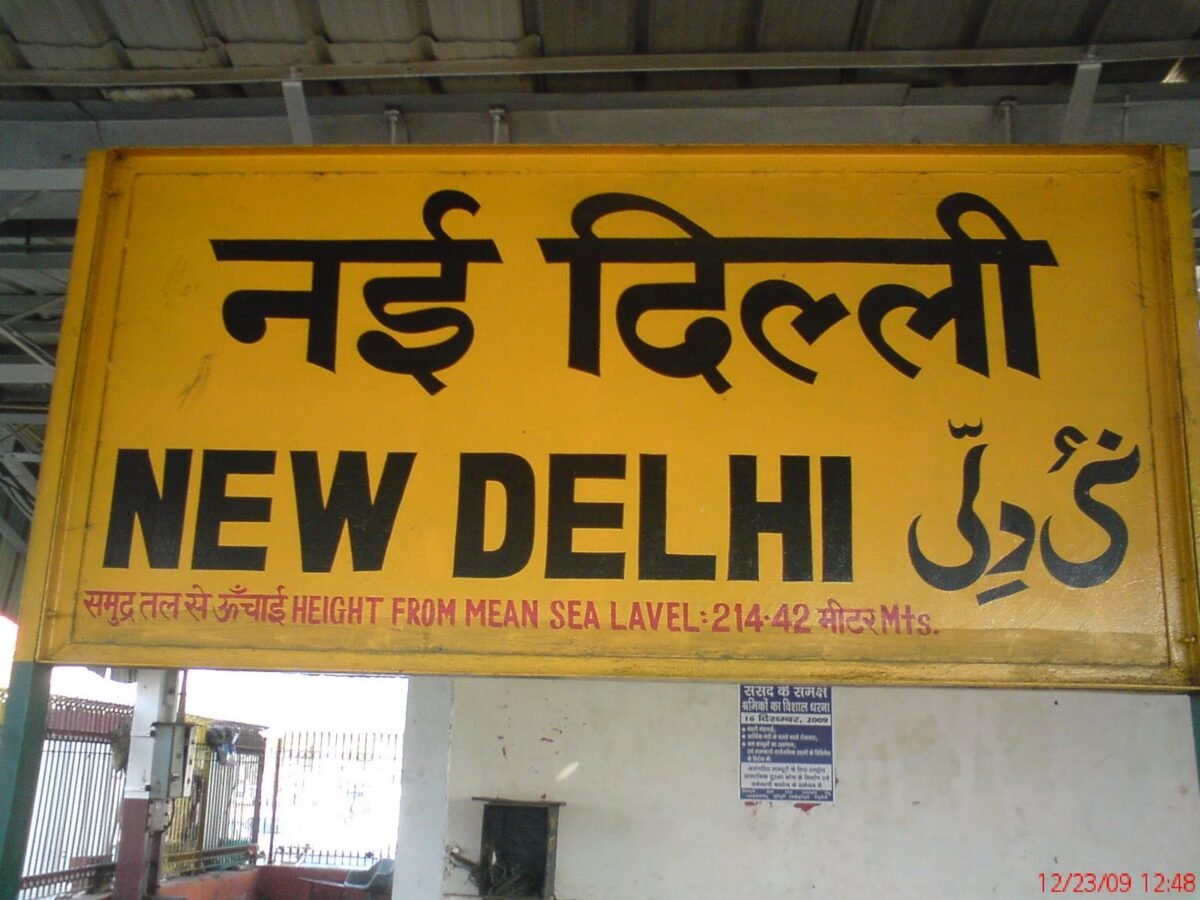
Earthquake tremors were felt in Delhi-NCR on Thursday morning. The center of the earthquake is being described as Jhajjar of Haryana. Earthquake intensity on Richter scale 4.4
In Delhi-NCR, a strong tremor of an earthquake was felt on Thursday morning amid rain. Earthquake tremors were felt for about 10 seconds.
Earthquake tremors were felt at 9.04 am. These shocks were also felt in Delhi, Noida, Ghaziabad, Gurugram, Faridabad, Rohtak, Hisar and Sonipat. Earthquake
Please tell them that there are seven tectonic plates inside the earth. These plates continue to rotate. When these plates collide, rub. Climbing or going away from each other, then the ground starts moving. This is called an earthquake. Richter uses a scale to measure the earthquake. It is called the Richter Magnitude Scale.
Richter magnitude scales range from 1 to 9. The intensity of the earthquake is measured by its center i.e. episode. That is, the energy emanating from that center is measured on this scale. 1 means the energy of low intensity is coming out. 9 means the most. Very frightening and a havoc wave. They become weak by going away. If the intensity is seen on the Richter scale, then there is a sharp shock in the range of 40 kilometers around it.
Reasons why Earthquakes occur
🌍 1. Movement of Tectonic Plates
-
The outer layer of Earth is composed of huge plates known as tectonic plates.
-
The plates keep on moving—when they collide, move apart, or slip over one another, stress develops.
-
When stress suddenly gets released, an earthquake occurs.
🌋 2. Volcanic Activity
-
Volcanoes are usually where earthquakes happen.
-
As magma ascends, it exerts pressure on the nearby rocks and makes them erupt with volcanic earthquakes.
-
These are frequent in areas such as the Ring of Fire.
⛏️ 3. Human Activities (Induced Earthquakes)
-
Mining, fracking, dam construction, and underground explosion activities can upset rock layers deep in the ground.
-
These manmade stress changes can produce small to moderate earthquakes.
🌊 4. Fault Line Slippage
-
Fault lines are fractures in the planet where two tectonic plates collide.
-
Plates can become stuck over time, building up pressure.
-
When they suddenly move, they release that energy as an earthquake.
🏔️ 5. Isostatic Rebound
-
When glaciers melt, the earth that was previously compressed by ice starts to move upwards.
-
This movement can disrupt rock layers and cause earthquakes, particularly in polar and ex-glaciated areas.